
Share This

In modern society people will find themselves too busy to get everything need done on time. In particular whenever someone moves, the chances are that many will tend to take a day out to look at furniture to fill up their new homes. This process is both stressful and time consuming because finding the ‘right one’ may take several hours to weeks and occasional months. There is always that one furniture that one absolutely loves but it’s too short or there is just one small that makes it unappealing to buy. This is where the SketchChair comes in.
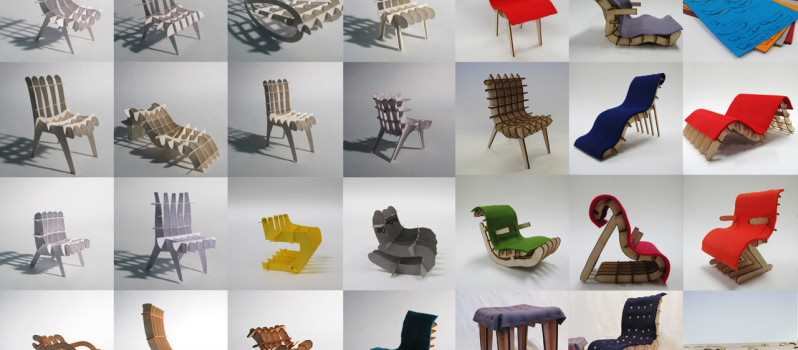
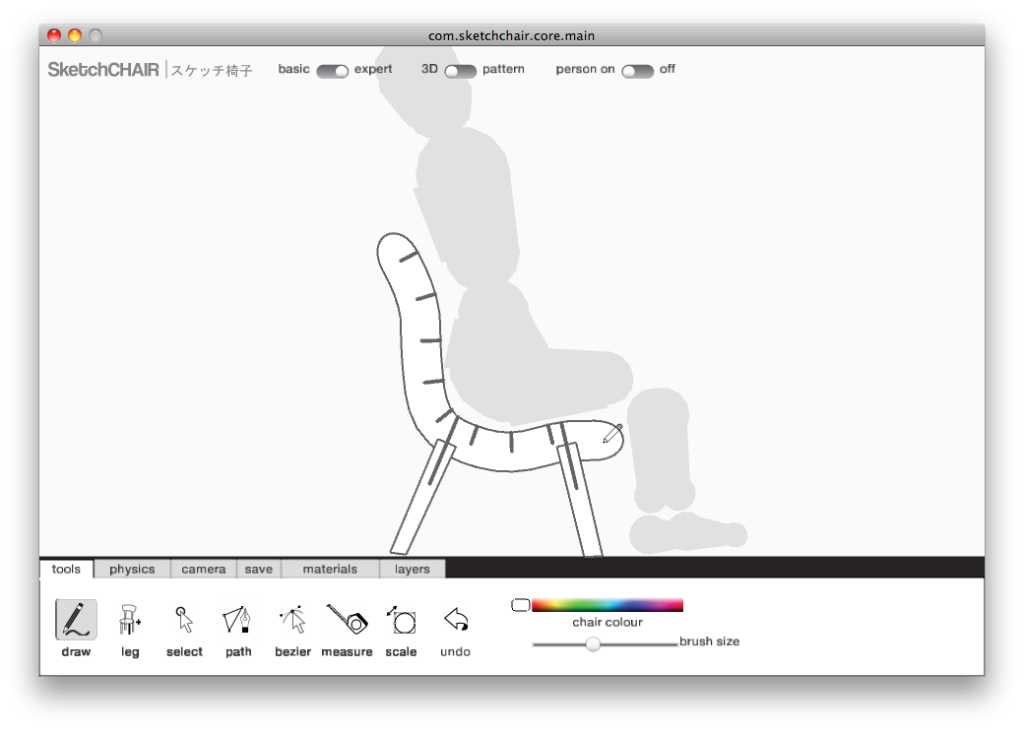
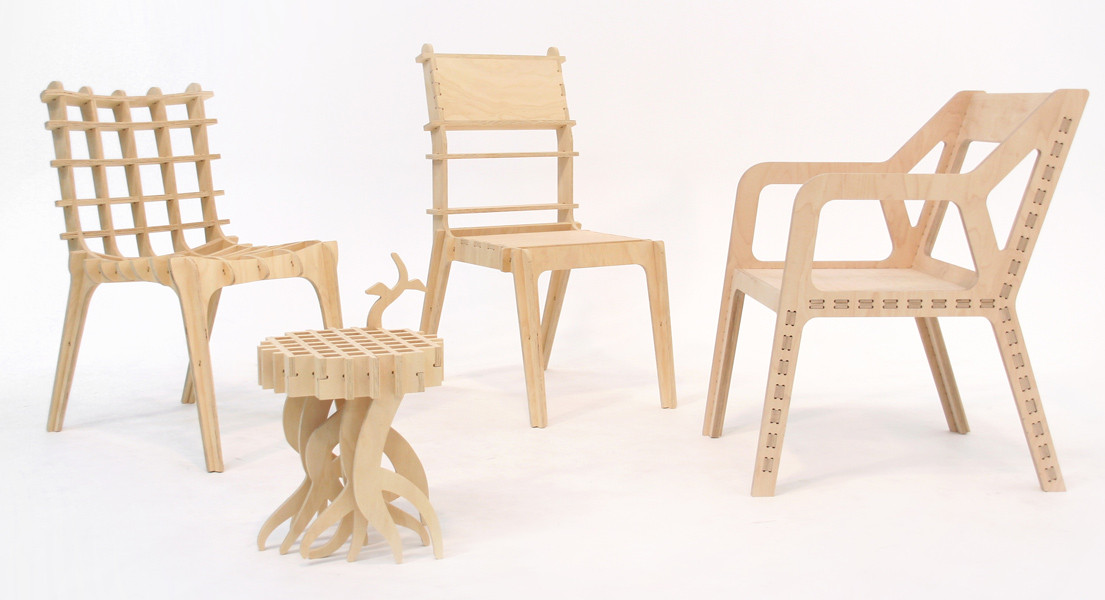
SketchChair is a free, open-source software tool created by Diatom Studio that basically allows people to custom design their own furniture. This is done using a 2D drawing interface that gives you the option for testing out your design by creating a simulation using a virtual model of yourself. Not only will this be great practical help to prevent one from purchasing their flawed design but also it increases the comfort level of the furniture when the customer is ready to put it together. Then this information is sent to sensing machine that will cut the arts of the chair into plywood’s then it is just a simple matter of slotting them together, which even better is sent as a nice lightweight package.
This project was successfully completed on kickstarter three years ago, but I think it deserves a bit more attention to it because of the growing use of 3D printers. Traditionally, 3D printers were used more commonly within the medical profession; this concept has grown exponentially to even be found within the fashion industry to create our own unique design of Nike shoes. From the consumers point of view this is a positive thing because there is less hassle, and one can attain full satisfaction for their purchase. However, it increases the competition with businesses, some of which that use this form of inventing as a platform for their product.
In other words, although this is a clear sign of technological advancement and an all around increase in productivity and customer satisfaction, products such as SketchChairs should worry about the threat that their one of a kind idea of creating one’s own furniture is losing its integral function of being different. From what I understand and have researched a key factor that made the product so attractive is how easy it was to slot all of the pieces made together and its lightweight due to its plywood material. This leaves a gap in the market because if one focuses on the fact that it is made only by plywood; there is a lot of scope for people to create a software similar to this but emphasises on using a range of material like leather, to make cushions, sofas, tables and so on. This brings me back to the question of how 3D printers might take away customers from businesses such as this one.
By using 3D printers in a similar concept people will be able to create a multitude of furniture and designs without any or at least fewer limitations than SketchChair provides. Where SketchChair needs the pieces of the furniture to be slotted together, a 3D printer is able to create it in the designer’s image without them needing to lift a finger. In fact although SketchChair may already be used to create toys and other great creations, as there is an option to create miniature versions of the design, we see that with reference to the fashion industry who use this technology to create some accessories, its potential grows with each passing year and so is its threat against companies like this.
In conclusion, the idea used for SketchChair’s is still very unique and attractive to many customers and 3D printers have not reached that level of commercial use just yet but, it is a looming threat that needs to be taken seriously by many companies. Much research still needs to be done for product created by 3D printers to be of a more affordable monetary range but I would suggest many businesses should try to find alternatives to counter this threat before they loose out to technological improvement.