
Share This

The line between being a tech company and a giant is not that thin. It’s thick, it takes time passing it and after years, you may find yourself on the other side of it. There are companies that have gone through several different permutations by expanding their root and finally made it, there are others which have tried and failed. An example, probably one of the most remarkable, is Apple, which started building a computer and ended up providing more and more products.
In order to describe the difference between a giant and a company, we can use the “tree” structure, often used in computing to store data. Every company starts at the root of the tree, with a single product which usually goes through several different iterations. That first product is what separates you from success or failure. After that step, if the product is successful, there is a crossroads, and two different paths to be chosen.
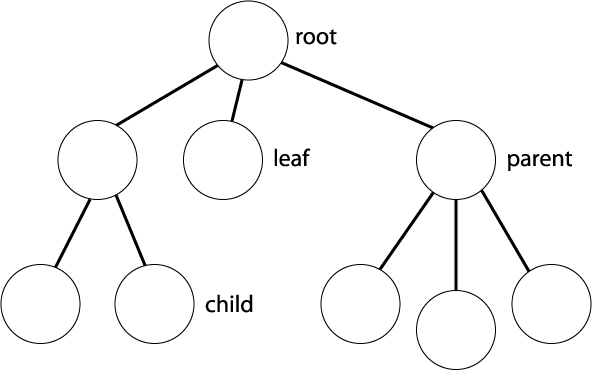
The first one sticks with what you have and hopes that your product is going to be successful also in the next hundred years. The second one is the one where you take another risk, which compared to the risks that you have already taken is nothing. That risks consists in investing in something different and build another product (a child) in your ecosystem. Every single product you implement will be a child of your root.
After having built a strong ecosystem the root of the tree, which is the initial product, changes. Now it’s a brand and your first product becomes a child of the brand, which might still have the name of your first product. From that point, the brand can keep developing other assets and the new children can have children too (features).
Nowadays there are two companies that are trying to make it on the other side of that line. The first one is Facebook, which after the Initial Public Offering, has realised that they can’t be just the social network anymore. The money raised and the stream of revenues have let them take several different directions. That’s why Facebook is in the process of expanding that first root. Instagram was a first example, which then led to Whatsapp and now to Oculus Rift.
The children of the root, in some cases, can even be seen as an area of interest; for example, if we look at Facebook, mobile is the child with more children than any other node. What Zuckerberg has realised is the mere fact that the root can be expanded and integrated in other children. Facebook is aiming at 5 billion people and it’s unlikely that people will move to another service, but to get into the “ivy league” of tech giants with Amazon, Apple and Microsoft, you have to diversify your portfolio.
Another company, which might try to make an attempt in a really shy way, is Twitter. Considering that the company is still not profitable, it could be a huge risk to spend money to become bigger and add more children to the main roots; but rumours suggest the company might opt for a SoundCloud acquisition. They have already gone through an IPO, they have got enough cash to think about becoming profitable and they might undertake phase 2 even before of seeing a green light.
It’s always interesting to see what companies might attempt to get in the “heaven” of tech companies, but it’s also scary to see how much power they can have. Google is an example, they went through phase 1 (IPO) and now they are taking over the world in any possible way. From a technological point of view is great, because we see more innovation in a single leader, but in terms of power and control, it might underline a few threats.