Share This

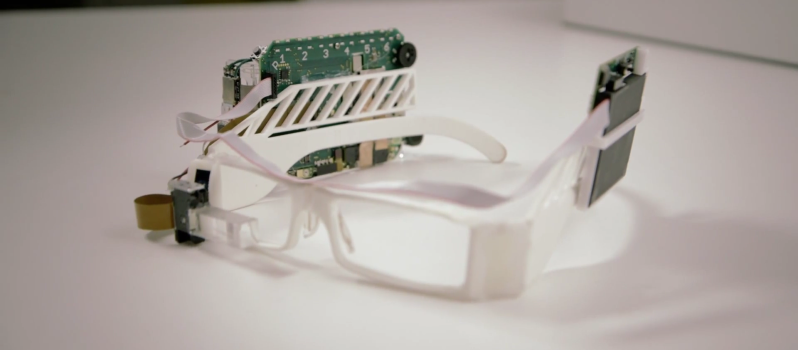
Google’s plans to reach the 2.5% of innovators have succeeded when they finally sold all the units of Glass for the explorer program. The tech giant, based in Mountain View, has made available Glass to anyone in the US on Tuesday at the price of $1,500. The company hasn’t released the number of units sold, but it has underlined the fact that there might be new occasions to get get Glass in the next future.
The plan is to slowly fit Glass in the market, because a mass release wouldn’t help a product such as Glass. With that price and the weirdness that comes in, Google wouldn’t sell a single unit if it released Glass tomorrow to the world. On the other hand, if they keep using these single days opportunities, they will be able to expand the explorer program.
In this way, the circle of “testers” will get bigger and the product will start accumulating momentum. How? By raising awareness. When you see a friend of yours using an innovative product, which you can’t get, the interest grows even though you don’t like it. The simple idea of having selected people to wear Glass around the United States is a first attempt to gain the social acceptance that Google needs.
At the moment, people wearing Glass risk to be defined as Glassholes for the way they behave. However, those Glassholes are those who are promoting the product wherever they want and preparing “psychologically” the 37% of early adopters to buy the product. Although the price is high, there is still a slice of market that would have bought it in any case and that’s why Google opted for expanding the program rather than going world wide.
While these people are promoting Glass, the company is partnering at the same time with massive companies such as Luxottica, which basically owns the market for branded sunglasses and prescription frames. Glass is cool if you also wear it with Oakley and that’s where these two companies are aiming at.
In the next few months, we should expect a few more key dates such as this one, where the company will release Glass to the public for a single day. There are still people who are knocking at Google’s door and missed the chance to buy Glass last Tuesday, so there is no reason to let them wait.
The other big concern is the price and how Google is going to handle this. If they are expanding the explorer program, instead of releasing publicly the device, it means they still have problems with the price and Glass. The company hasn’t been able to bring the price down in the last two years, which is why they keep procrastinating the release date.
If they don’t find a solution to half the initial price, they won’t be able to sell to millions of individuals and they will have to stick to that 2.5% of innovators. However the 2.5% is always the 2.5% and, at some point, that small slice of market will be saturated and I don’t think the work done by the innovators will be enough to convince the early adopters to buy the product.
After almost two years, the situation doesn’t seem to have changed much from what they had promised (final release by the end of 2013). We have seen a second iteration of the device, more people using it and a set of strategic partnerships, but the question is always the same, what if the competition gets into the market first? Google has already built its brand as leader and innovator in the smart glasses market, but now it’s time to iterate faster and ship, with a decent price.